


Make Your Own Herbal Chest Rub for Respiratory Wellness This Cold Season

When cold and flu season hits, many people reach for store-bought chest rubs to ease congestion and soothe coughs. These products often contain synthetic fragrances and petroleum-based ingredients that some may want to avoid. Making your own herbal chest rub offers a natural, customizable alternative that supports respiratory health gently and effectively. This guide will walk you through creating a simple, herbal salve that opens the lungs, relieves tightness, and brings comfort during those tough days.
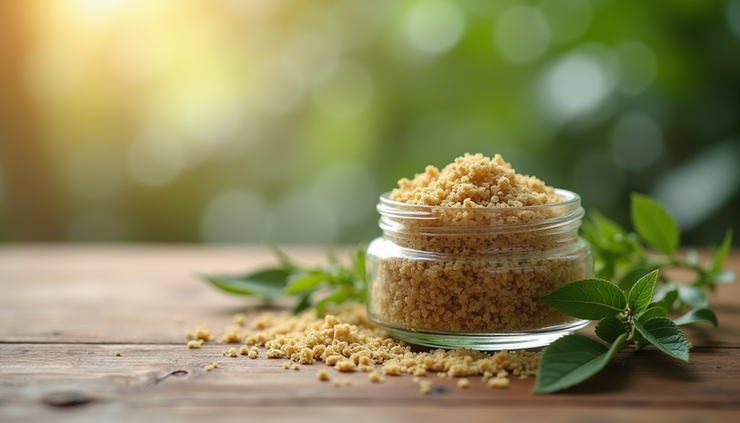
Why Use a Chest Rub Salve?
Chest rub salves have been used for generations to support respiratory wellness. Here’s why making your own herbal version can be beneficial:
Supports respiratory health naturally
Herbal chest rubs use plant-based oils and essential oils known for their ability to ease breathing and reduce inflammation.
Helps relieve congestion, coughs, and tight chest
Ingredients like eucalyptus and peppermint can help clear nasal passages and soothe irritated airways.
Gently opens airways without synthetic fragrances or petroleum
Many commercial rubs contain menthol and camphor derived synthetically, along with petroleum jelly. Herbal salves avoid these, reducing the risk of skin irritation or sensitivity.
Safe and soothing when used with proper herbs and essential oils
When made carefully, herbal chest rubs can be used by adults and children, offering a gentle alternative for families.
Basic Chest Rub Salve Recipe for Adults
This recipe creates a firm, easy-to-apply salve that melts on contact with the skin. You can customize the essential oils based on your preferences or needs.
Ingredients
1/2 cup olive oil or coconut oil (optionally infused with herbs like thyme or eucalyptus)
2 tablespoons beeswax (to give the salve firmness)
10 drops eucalyptus essential oil
8 drops peppermint essential oil
5 drops lavender essential oil
3 drops rosemary or tea tree essential oil (optional)
Instructions
Set up a double boiler by placing a heat-safe bowl over a pot of simmering water.
Add the beeswax and carrier oil to the bowl. Stir occasionally as they melt together gently.
Remove from heat once fully melted and allow the mixture to cool slightly but not solidify.
Add the essential oils and stir well to combine.
Pour the mixture into small tins or glass jars.
Let the salve solidify at room temperature. Store in a cool, dry place away from direct sunlight.
This salve can be applied as needed to the chest, throat, or upper back to help ease breathing and soothe coughs.
Kid-Friendly or Sensitive Skin Version
For children or those with sensitive skin, it’s important to use milder essential oils and reduce the amount used. Avoid strong oils like peppermint or eucalyptus for children under 2 years old.
Ingredients for Sensitive Version
Use chamomile, lavender, and frankincense essential oils, totaling 3–5 drops
Skip peppermint and eucalyptus entirely for young children
Use calendula-infused oil as the carrier for extra skin-soothing benefits
Tips
Always do a patch test before applying the salve widely on sensitive skin.
Use smaller amounts and apply gently to avoid irritation.
Optional Herbal Infusion for Carrier Oil
Infusing your carrier oil with herbs before making the salve adds extra therapeutic properties. Here are some herbs that support respiratory health:
Thyme: Antimicrobial and supports lung function
Mullein leaf: Soothes cough and reduces inflammation
Eucalyptus leaf: Acts as a natural decongestant and expectorant
How to Infuse Oil
Place dried herbs in a clean jar and cover with your chosen carrier oil.
Warm the jar gently by placing it in a bowl of warm water (not boiling) for 2–4 hours, or leave it in a sunny window for a few days.
Strain the herbs out using a fine mesh or cheesecloth before using the oil in your salve recipe.
This infusion step is optional but adds a deeper layer of natural support to your chest rub.
How to Use the Chest Rub
Using your homemade chest rub correctly maximizes its benefits:
Rub a small amount on the chest, throat, or upper back.
Apply before bedtime to help open the lungs and promote restful sleep.
Use during steam inhalation by adding a small amount to hot water and inhaling the vapors.
Combine with a warm compress for added comfort and relief.
Avoid applying near the eyes or on broken skin. For children, use sparingly and avoid strong essential oils.
Making your own herbal chest rub is a simple way to support respiratory wellness naturally during cold and flu season. This homemade salve avoids harsh chemicals and lets you customize ingredients for your family’s needs. Whether you choose the adult recipe or a gentler version for kids, this chest rub can bring soothing relief and comfort when you need it most.


Comments